

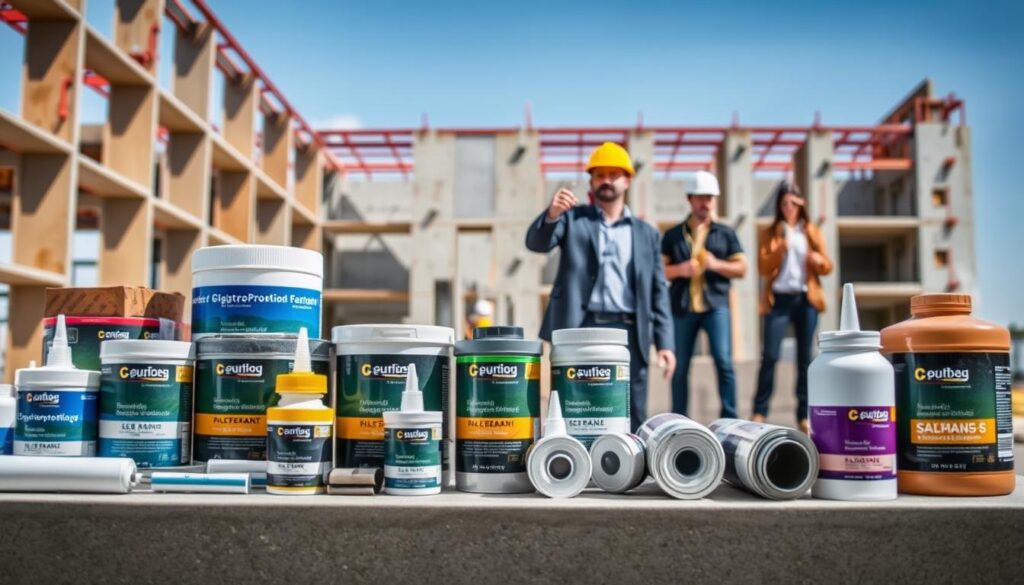
Welcome to our comprehensive guide on Construction Chemicals and waterproofing solutions. Here, you’ll find everything you need to know about buying these essential products online. Our aim is to provide you with the best options available in the market, ensuring your projects are completed with the highest quality.
When it comes to building materials, selecting the right waterproofing solutions is crucial. For more insights on choosing the right materials for your home, check out our guide on how to choose the right door. This will help you make informed decisions for your entire project.
Key Takeaways
- Understand the different types of Construction Chemicals available online.
- Learn how to choose the right waterproofing solutions for your needs.
- Discover the benefits of buying building materials online.
- Explore the best options for waterproofing solutions in the market.
- Get tips on ensuring the highest quality for your projects.
Understanding Construction Chemicals
Construction chemicals play a crucial role in the construction process, offering a range of benefits that enhance the overall performance of buildings. These specialized products are designed to improve the properties of building materials, ensuring stronger, more durable structures.
What Are Construction Chemicals?
Construction chemicals encompass a wide range of products, including concrete additives, industrial coatings, and other specialized materials. These chemicals are formulated to address specific challenges in the construction process, such as improving workability, enhancing strength, and providing protection against environmental factors.
The use of construction chemicals has become a standard practice in the construction industry, as they offer numerous benefits that can significantly impact the quality and longevity of structures. Some of the key advantages include:
- Enhanced durability and resistance to degradation
- Improved workability and ease of application
- Increased strength and structural integrity
- Protection against environmental factors such as water and chemicals
Importance in the Construction Industry
The importance of construction chemicals in the construction industry cannot be overstated. These products are essential for ensuring that buildings and structures can withstand various environmental and operational stresses. By incorporating concrete additives and other construction chemicals, builders can significantly enhance the performance and lifespan of their projects.
Moreover, the use of construction chemicals can contribute to more sustainable construction practices by reducing the need for repairs and replacements, thereby conserving resources and minimizing waste. As the construction industry continues to evolve, the role of these chemicals will remain vital in achieving high-quality, durable, and sustainable structures.
Types of Construction Chemicals
Understanding the different types of construction chemicals is crucial for selecting the right materials for your construction needs. These chemicals are designed to serve various purposes, from enhancing the workability of concrete to protecting structures from water damage.
Admixtures and Their Benefits
Admixtures are chemical additives used in concrete to improve its properties. They can enhance workability, strength, and durability. Some common types of admixtures include:
- Air-entraining admixtures, which improve the freeze-thaw resistance of concrete.
- Retarding admixtures, which slow down the setting time of concrete, allowing for more time to place and finish it.
The use of admixtures can significantly impact the quality and performance of concrete. For instance, air-entraining admixtures help in reducing the risk of damage from freeze-thaw cycles, making the structure more durable.
Sealants and Adhesives
Sealants and adhesives are critical in bonding materials together and preventing leaks. Epoxy resin is a popular adhesive used in construction due to its high bonding strength. Tile adhesives, another type of adhesive, are used to fix tiles to surfaces.
When choosing sealants and adhesives, it’s essential to consider factors like the type of materials being bonded and the environmental conditions the bond will be exposed to.
Waterproofing Solutions
Waterproofing solutions are designed to protect structures from water damage. These solutions can be applied to various parts of a building, including foundations, roofs, and walls.
| Type | Application | Benefits |
|---|---|---|
| Liquid Waterproofing | Roofs, Walls | Easy to apply, flexible |
| Cementitious Waterproofing | Foundations, Basements | Durable, cost-effective |
| Bituminous Coating | Foundations, Walls | Waterproof, resistant to chemicals |
By understanding the different types of construction chemicals available, builders and homeowners can make informed decisions to ensure the longevity and integrity of their structures.
Benefits of Using Waterproofing Materials
Waterproofing materials play a crucial role in modern construction by safeguarding structures against water damage. The use of these materials is not just a precautionary measure; it’s a necessity for ensuring the longevity and integrity of buildings.
Waterproofing solutions are designed to prevent water infiltration, which can lead to structural damage, mold growth, and other issues that compromise the safety and aesthetic appeal of a building.
Protecting Structures from Water Damage
One of the primary benefits of waterproofing materials is their ability to protect structures from water damage. Water can seep into buildings through various means, including cracks in walls, poor roofing, and inadequate drainage systems.
Effective waterproofing involves applying materials that prevent water penetration, thereby safeguarding the structural integrity of the building.
- Prevents water infiltration
- Reduces risk of structural damage
- Minimizes mold and mildew growth
Enhancing Durability and Longevity
Waterproofing materials not only protect structures from immediate water damage but also contribute to their long-term durability. By preventing water from seeping into the building’s foundation and walls, these materials help maintain the structure’s integrity over time.
This is particularly important in regions with high rainfall or where buildings are exposed to harsh environmental conditions. Sustainable construction materials, including eco-friendly waterproofing solutions, are becoming increasingly popular as they offer a durable and environmentally responsible choice.
| Waterproofing Material | Application | Benefits |
|---|---|---|
| Bituminous Coatings | Roofing and Basement Walls | Easy to apply, cost-effective |
| Acrylic Coatings | Walls and Floors | Flexible, UV resistant |
| Silicone Coatings | Roofing and Exterior Walls | Durable, weather-resistant |

By incorporating waterproofing materials into construction projects, builders can ensure that structures remain durable and require less maintenance over their lifespan. This not only saves costs in the long run but also contributes to more sustainable construction practices.
How to Choose the Right Construction Chemicals
The right construction chemicals can make a significant difference in the quality and durability of a construction project. With so many options available, it’s essential to understand the key factors that influence the selection process.
Factors to Consider
When choosing construction chemicals, several factors come into play. The type of project, environmental conditions, and compatibility with other materials are crucial considerations. For instance, admixtures can enhance the workability and strength of concrete, but their effectiveness depends on the specific application and environmental conditions.
According to industry experts, “The selection of construction chemicals should be based on the specific requirements of the project, including the type of structure, exposure conditions, and desired performance characteristics.”
“The right chemical can improve the durability and sustainability of a structure, while the wrong one can lead to premature deterioration.”
Reading Product Labels
Reading product labels is a critical step in selecting the right construction chemicals. Labels provide vital information about the product’s composition, usage instructions, and safety precautions. It’s essential to carefully read and understand the label to ensure that the product is used correctly and safely.
- Check the product’s compatibility with other materials
- Understand the recommended application procedures
- Note any safety precautions and handling instructions
By considering these factors and carefully reading product labels, you can make informed decisions when selecting construction chemicals for your project. This not only ensures the quality and durability of the construction but also contributes to a safer working environment.
Applications of Construction Chemicals
The use of construction chemicals has revolutionized the construction industry, offering numerous benefits for both residential and commercial projects. These chemicals are not just additives; they are crucial for enhancing the quality, durability, and aesthetic appeal of buildings.
Residential Building Projects
In residential building projects, construction chemicals play a vital role in improving the living conditions and longevity of homes. Waterproofing solutions and admixtures are commonly used to protect homes from water damage and enhance the concrete’s strength and durability.
The application of epoxy resin for flooring and coatings is also popular in residential projects due to its durability and aesthetic appeal. Moreover, sealants and adhesives are used to ensure that windows, doors, and other joints are sealed properly, preventing water ingress and reducing energy consumption.
Commercial Construction
In commercial construction, the scale and complexity of projects demand high-performance construction chemicals. Industrial coatings and specialized sealants are used to protect large surface areas and ensure that buildings can withstand heavy use and harsh environmental conditions.
The use of construction chemicals like epoxy resin for flooring is also prevalent in commercial settings due to its ability to withstand heavy foot traffic and its ease of maintenance. Furthermore, admixtures are used in concrete to improve its workability, strength, and durability, which are critical for the structural integrity of commercial buildings.
Overall, the application of construction chemicals in both residential and commercial projects is indispensable for achieving high-quality, durable, and sustainable buildings.
Environmental Impact of Construction Chemicals
As the construction sector continues to grow, the environmental impact of construction chemicals becomes increasingly concerning. The production, application, and disposal of these chemicals can have far-reaching consequences on the environment, affecting not just the immediate ecosystem but also contributing to global environmental issues.
The use of construction chemicals can lead to air and water pollution, soil contamination, and loss of biodiversity. Therefore, it’s crucial to consider the environmental implications of these chemicals and explore alternatives that are more sustainable.
Sustainable Options Available
In response to growing environmental concerns, the construction industry has seen a rise in the development and use of sustainable construction materials. These materials are designed to have a lower environmental impact throughout their lifecycle, from production to disposal.
Some examples of sustainable construction materials include:
- Recycled materials
- Low-VOC (Volatile Organic Compound) products
- Materials sourced from sustainable forests
- Eco-friendly adhesives and sealants
These sustainable options not only help reduce the environmental footprint of construction projects but also contribute to healthier indoor environments.
Importance of Eco-Friendly Products
The importance of eco-friendly products in construction cannot be overstated. By choosing products that are designed to be more environmentally friendly, builders and homeowners can significantly reduce the negative environmental impacts associated with construction activities.
| Product Type | Environmental Benefit | Example |
|---|---|---|
| Low-VOC Paints | Reduces indoor air pollution | Acrylic-based paints |
| Eco-friendly Adhesives | Minimizes chemical emissions | Water-based adhesives |
| Recycled Materials | Conserves natural resources | Recycled glass countertops |
By opting for eco-friendly products and sustainable construction materials, the construction industry can move towards more environmentally responsible practices, reducing its overall ecological footprint.
Common Misconceptions About Construction Chemicals
Construction chemicals play a crucial role in modern construction, yet numerous misconceptions about them persist. These misconceptions can lead to confusion among builders and homeowners, potentially affecting the quality and durability of construction projects.
To clarify the role and benefits of construction chemicals, it’s essential to debunk common myths and present the facts. This section aims to provide a clearer understanding of these products and their significance in the construction industry.
Myths vs. Facts
Several myths surround the use of construction chemicals, often stemming from misinformation or a lack of understanding. Let’s examine some of these myths and the corresponding facts:
- Myth: Construction chemicals are harmful to the environment. Fact: While some construction chemicals can have environmental impacts, many modern products are designed with sustainability in mind, offering eco-friendly alternatives.
- Myth: All construction chemicals are the same. Fact: Construction chemicals vary widely in composition, application, and benefits. Choosing the right product for a specific task is crucial for optimal results.
- Myth: Using construction chemicals is costly. Fact: While some specialized construction chemicals may be expensive, many products offer long-term cost savings through improved durability and reduced maintenance needs.
Clearing the Confusion
By understanding the facts about construction chemicals, builders and homeowners can make informed decisions that enhance the quality and longevity of their projects. It’s also important to consider the source of information and consult with professionals when selecting construction chemicals.
Some key considerations include:
- Understanding the specific needs of your construction project.
- Researching the available construction chemicals and their applications.
- Consulting with experts to ensure the chosen products meet the project’s requirements.
By taking these steps, individuals can navigate the complex world of construction chemicals with confidence, avoiding common misconceptions and ensuring the success of their construction projects.
Cost Considerations When Buying Construction Chemicals
Budgeting for construction chemicals requires careful consideration of both short-term and long-term costs. While the initial price of these materials is a significant factor, it’s equally important to evaluate their durability, effectiveness, and potential impact on the overall project cost.
Budgeting for Materials
When budgeting for construction chemicals, it’s essential to consider the total cost of ownership. This includes not only the initial purchase price but also the costs associated with application, maintenance, and potential repairs. High-quality construction chemicals may have a higher upfront cost but can lead to significant savings over the life of the project.
For instance, a waterproofing solution that costs more initially but lasts longer and performs better can save money in the long run by reducing the need for frequent reapplication and repairs. As the saying goes, “Penny wise, pound foolish.” It’s crucial to balance the initial cost with the long-term benefits.
“The goal is to find a balance between cost and quality, ensuring that the materials used will stand the test of time and provide the desired performance.”
Value vs. Price
Understanding the difference between value and price is vital when selecting construction chemicals. The price is the initial cost of the material, whereas the value encompasses its overall performance, durability, and impact on the project. Choosing the cheapest option might seem cost-effective in the short term, but it can lead to higher costs down the line if the material fails to perform as expected.
- Assess the product’s performance and durability.
- Consider the manufacturer’s reputation and warranty offered.
- Evaluate the total cost of ownership, including application and maintenance costs.
By focusing on the value rather than just the price, builders and contractors can make more informed decisions that benefit the project’s overall success and longevity.
Tips for Proper Application and Use
Construction chemicals play a vital role in modern construction, and their proper application is essential for optimal results. Whether you’re a seasoned professional or a DIY enthusiast, understanding how to use these chemicals effectively can make a significant difference in the outcome of your project.
Work with Professionals
For large-scale or complex construction projects, it’s advisable to work with professionals who have experience in handling construction chemicals. Professionals can ensure that the products are applied correctly, maximizing their effectiveness and safety.
Benefits of Working with Professionals:
- Expert knowledge of product selection and application
- Compliance with safety regulations and standards
- Optimal product performance and durability
When hiring professionals, look for contractors who have a proven track record with construction chemicals and can provide references or case studies.
DIY Tips for Homeowners
For smaller projects or DIY endeavors, homeowners can still achieve professional-grade results by following some key guidelines. First, always read and follow the manufacturer’s instructions for the specific construction chemical you’re using.
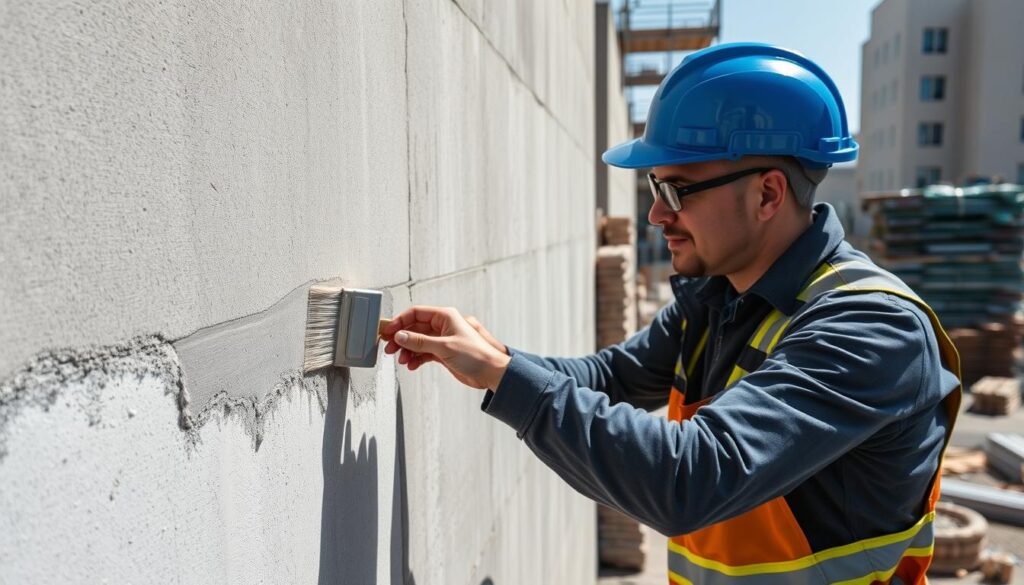
Preparation is Key: Before applying any construction chemical, ensure the surface is clean, dry, and free of debris. This preparation will help the product adhere properly and perform as expected.
| Product | Application Tip | Safety Precaution |
|---|---|---|
| Admixtures | Mix according to the specified ratio | Wear protective gloves and eyewear |
| Sealants | Apply in thin, even layers | Avoid skin contact; use in well-ventilated areas |
| Waterproofing Solutions | Ensure surface is damp before application | Use protective clothing; avoid inhaling fumes |
By following these tips and taking the necessary precautions, homeowners can successfully use construction chemicals to enhance their projects.
Where to Buy Construction Chemicals Online
With the rise of online shopping, buying Construction Chemicals has become increasingly convenient. You can now compare prices, read reviews, and have products delivered to your doorstep.
Reliable Online Stores
Several trusted online retailers specialize in Construction Chemicals, offering a wide range of products. When shopping online, look for retailers with good reputations and customer reviews to ensure you’re getting high-quality products.
Local Suppliers in Mumbai
If you prefer to buy from local suppliers, areas like Powai, Chandivali, and Vikhroli have numerous options. Visiting local suppliers can provide the advantage of immediate product availability and personalized service.
Whether you choose to buy online or from local suppliers, ensure that you’re purchasing from reputable sources to get the best Construction Chemicals for your projects.