

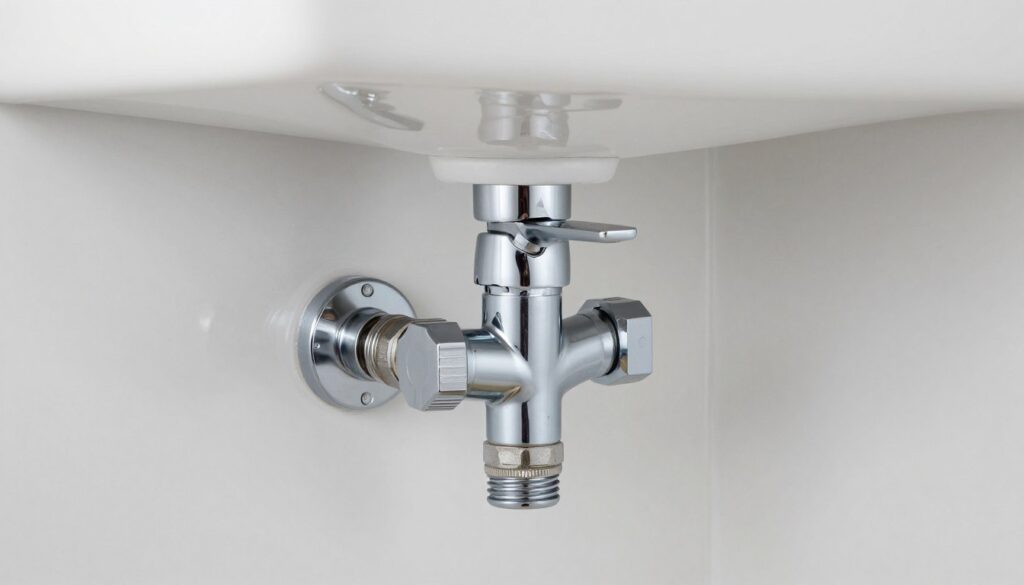

Plumbing systems rely on many small but critical components. One such component is the angle valve. This simple device controls water flow in countless homes and buildings across America.
Understanding angle valves can save you money and headaches. Whether you’re a homeowner tackling a DIY project or a professional plumber, knowing how these valves work matters. This guide covers everything from basic definitions to advanced installation techniques.
You’ll learn about different valve types and their specific uses. We’ll explore installation methods and maintenance tips. By the end, you’ll have the knowledge to choose and work with angle valves confidently.
What Is an Angle Valve?
An angle valve is a quarter-turn shut-off valve with an inlet and outlet positioned at a ninety-degree angle. This L-shaped configuration distinguishes it from straight-through valves. The design allows for space-efficient installation in tight areas.
These valves typically connect water supply lines to fixtures. You’ll find them under sinks, behind toilets, and near washing machines. The angle design eliminates the need for additional elbows or fittings in many situations.
Most angle valves operate with a simple handle or knob. Turning the handle ninety degrees either opens or closes the water flow completely. This quarter-turn mechanism provides quick and reliable shut-off capability.
The valve body contains internal components that seal against water pressure. Quality angle valves use durable sealing materials that withstand years of use. Proper installation ensures leak-free operation throughout the valve’s service life.


Key Components of an Angle Valve
Every angle valve consists of several essential parts working together. The valve body houses all internal components and provides connection points. It’s typically made from brass, stainless steel, or other corrosion-resistant materials.
Valve Body
The main housing that contains all internal parts and withstands water pressure.
- Made from durable metals like brass or stainless steel
- Features threaded or compression connections
- Designed to prevent corrosion and leaking
- Available in various sizes to match plumbing needs
Valve Stem
The movable component that controls water flow through the valve.
- Connects the handle to the sealing mechanism
- Rotates to open and close the water passage
- Contains O-rings to prevent stem leaks
- Requires occasional lubrication for smooth operation
Handle or Knob
The user interface for operating the valve mechanism.
- Provides leverage for turning the valve stem
- Often features color coding for temperature indication
- May be replaced with decorative options
- Requires only quarter-turn operation
Sealing Components
Critical parts that prevent water leakage when valve is closed.
- Includes washers, O-rings, and gaskets
- Made from rubber or synthetic materials
- Subject to wear and eventual replacement
- Must match valve size and pressure rating
Explore Quality Angle Valves for Your Project
Browse our selection of premium angle valves in brass, stainless steel, and chrome finishes. Find the perfect match for your plumbing application with expert specifications and competitive pricing.
Common Uses and Applications of Angle Valves
Angle valves serve numerous purposes in residential and commercial plumbing systems. Their versatility makes them indispensable for controlling water flow to various fixtures and appliances. Understanding their applications helps you make informed decisions for your plumbing needs.

Residential Applications
In homes, angle valves are fixtures in bathrooms and kitchens. They connect water supply lines to sinks, allowing easy shut-off for repairs. This prevents the need to turn off water to the entire house when working on a single fixture.
Toilet installations universally employ angle valves. The valve connects the supply line to the toilet tank fill valve. This placement allows quick water shut-off for toilet repairs or replacement without affecting other fixtures.
Washing machine installations typically use angle valves for both hot and cold water supplies. These valves allow users to shut off water when machines aren’t in use. This practice reduces the risk of catastrophic leaks from failed supply hoses.
Water heaters often incorporate angle valves on supply lines. These valves facilitate maintenance and repairs without draining the entire plumbing system. Professional plumbers recommend annual water heater maintenance that benefits from accessible shut-off valves.

Commercial and Industrial Uses
Commercial buildings rely heavily on angle valves for water distribution systems. Office buildings use them for restroom fixtures, break room sinks, and maintenance closets. The quarter-turn operation makes them ideal for high-traffic environments requiring quick access.

Hospitals and healthcare facilities use specialized angle valves in patient rooms and treatment areas. These installations must meet strict hygiene standards. Stainless steel angle valves with antimicrobial properties are common in medical settings.
Manufacturing facilities incorporate angle valves in process water systems. These valves control water flow to machinery, cooling systems, and cleaning stations. Industrial-grade angle valves withstand higher pressures and temperatures than residential models.
- Food service establishments use angle valves for kitchen equipment connections and dishwashing stations
- Hotels and hospitality venues install hundreds of angle valves throughout guest rooms and service areas
- Educational institutions rely on durable angle valves for classroom sinks and laboratory water systems
- Retail facilities incorporate angle valves in restroom plumbing and maintenance areas
- Municipal buildings use angle valves extensively in public restrooms and maintenance operations

Different Types of Angle Valves
The plumbing market offers several angle valve types to suit different applications and budgets. Material composition, connection methods, and design features distinguish these varieties. Selecting the appropriate type ensures optimal performance and longevity.

Material-Based Classifications
Brass angle valves dominate the residential market due to their excellent balance of cost and performance. Brass resists corrosion naturally and machines easily into precise components. This material maintains integrity under typical household water pressures and temperatures.
The brass composition typically includes copper and zinc alloys. Lead-free brass formulations comply with current drinking water safety regulations. Quality brass valves develop a protective patina over time that enhances corrosion resistance.
Stainless steel angle valves serve applications requiring superior corrosion resistance. Marine environments, coastal properties, and industrial facilities benefit from stainless steel’s durability. These valves cost more but offer exceptional longevity in challenging conditions.
Stainless steel maintains its appearance without plating or coating. The material withstands higher pressures and temperatures than brass. Medical facilities and food processing plants prefer stainless steel for its hygienic properties.

Chrome-plated brass angle valves combine brass functionality with attractive finishes. The chrome plating provides a decorative appearance suitable for visible installations. Bathrooms and powder rooms often feature chrome-plated valves matching faucet finishes.

Connection Method Variations
Compression angle valves use mechanical compression to seal connections. A compression nut tightens around a ferrule, creating a watertight seal. This method requires no soldering or special tools for installation.
Threaded angle valves feature standard pipe threads for connection. These valves screw directly onto threaded supply pipes using pipe thread sealant. Plumbers appreciate threaded connections for their reliability and ease of installation.

Premium Brass Angle Valve
Constructed from lead-free brass for drinking water safety. Features durable compression connections and smooth quarter-turn operation. Ideal for residential bathroom and kitchen installations.
- Lead-free brass construction meets NSF standards
- Compression fittings for tool-free installation
- Suitable for hot and cold water applications
- Available in multiple size configurations
- Includes decorative chrome or brushed finishes

Stainless Steel Industrial Valve
Engineered for demanding commercial and industrial environments. Superior corrosion resistance withstands harsh water conditions. Heavy-duty construction ensures long service life under high pressure.
- Grade 316 stainless steel for maximum durability
- Rated for higher pressure and temperature ranges
- Ideal for coastal, marine, and industrial settings
- Hygienic properties suit food and medical facilities
- Threaded connections for secure installation

Chrome-Plated Designer Valve
Combines functional reliability with aesthetic appeal. Triple-layer chrome plating over brass provides lasting beauty. Perfect for visible installations in modern bathrooms and powder rooms.
- Triple-layer chrome plating resists tarnishing
- Brass core ensures structural integrity
- Decorative handle options match faucet styles
- Engineered for exposed installation aesthetics
- Compression or threaded connection choices
Push-fit angle valves employ innovative connection technology. These valves snap onto pipes without compression nuts or threading. The push-fit mechanism contains internal gripping teeth and O-rings that create secure, leak-proof connections.
Soldered angle valves require professional installation but offer permanent connections. Copper supply lines connect to these valves through sweat soldering techniques. This method provides the most secure connection for long-term installations.
Benefits and Advantages of Using Angle Valves
Angle valves deliver numerous benefits that make them preferable to alternative shut-off solutions. Their design advantages translate to practical benefits for installers and end users. Understanding these advantages helps explain their widespread adoption in plumbing systems.

Space Efficiency and Installation Flexibility
The ninety-degree design eliminates the need for additional elbow fittings. This reduces the number of connection points where leaks might develop. Fewer fittings also mean lower material costs and simpler installations.
Compact installations benefit significantly from angle valve designs. Under-sink cabinets typically offer limited working space. The angle valve’s configuration fits naturally in these tight quarters without awkward pipe routing.
Wall-mounted fixtures pair perfectly with angle valves. The valve mounts flush against the wall surface while directing flow toward the fixture. This creates a clean, professional appearance in finished installations.

Operational Advantages
Quarter-turn operation provides quick and positive shut-off capability. Users don’t need to count turns or guess whether the valve is fully closed. The ninety-degree handle position clearly indicates valve status at a glance.
Advantages of Angle Valves
- Space-efficient design reduces installation footprint
- Quarter-turn operation ensures quick shut-off
- Fewer connection points minimize leak potential
- Durable construction provides years of service
- Easy access for maintenance and repairs
- Cost-effective compared to alternative solutions
- Wide variety of sizes and materials available
- Simple visual indication of open/closed status
Considerations When Using Angle Valves
- Requires specific orientation during installation
- Handle position may interfere with adjacent objects
- Compression fittings need occasional retightening
- Internal components eventually require replacement
- Limited flow capacity compared to full-port valves
- Chrome plating can chip if handled roughly
The simple mechanism inside angle valves reduces maintenance requirements. Fewer moving parts mean fewer components that can fail. When service is necessary, replacement parts are widely available and affordable.

Cost and Availability Benefits
Angle valves represent economical solutions for water shut-off needs. Mass production and standardized designs keep prices accessible. Even premium models with advanced features remain affordable for most budgets.
Every hardware store and plumbing supply house stocks angle valves in multiple sizes. This universal availability ensures quick replacement when needed. Emergency repairs don’t require waiting for special-order parts.
Installation Tips and Considerations
Proper installation ensures leak-free operation and maximum valve longevity. Following best practices prevents common problems and reduces callbacks for professional installers. DIY homeowners can successfully install angle valves with proper guidance and attention to detail.

Pre-Installation Preparation
Always shut off the main water supply before beginning work. Open a faucet at a lower level to drain residual water from pipes. This prevents water spillage during valve installation and allows proper testing afterward.
Measure the existing pipe size accurately before purchasing a valve. Common residential sizes include half-inch and three-eighths-inch connections. Bringing the old valve to the store ensures getting the correct replacement size.
Inspect the supply pipe condition before installation. Corroded or damaged pipes should be replaced rather than connected to new valves. A quality valve connected to deteriorating pipe wastes money and creates future problems.

Installation Steps for Compression Valves
Cut the supply pipe square using a tubing cutter for clean, even surfaces. Deburr the pipe end to remove sharp edges that could damage the compression ferrule. A smooth pipe end ensures proper ferrule seating and leak prevention.

Testing and Troubleshooting
Turn on the main water supply slowly after installation completes. Monitor all connections for leaks as pressure builds. Small drips often appear immediately if connections aren’t properly seated.
Tighten connections an additional quarter-turn if minor weeping occurs. Allow several minutes for water to stabilize before final inspection. Some connections may show dampness initially that stops as the ferrule seats properly.
Professional Tip: Apply a thin layer of pipe joint compound to compression ferrules before installation. This lubricates the ferrule during tightening and can improve seal quality. Use only non-petroleum-based compounds safe for drinking water systems.

Common Installation Mistakes to Avoid
Over-tightening compression fittings ranks as the most common installation error. Excessive force cracks brass ferrules and distorts valve threads. Follow manufacturer torque specifications when available or use the one-and-a-quarter-turn guideline.
- Never reuse old compression ferrules – they conform to the original pipe and won’t seal properly on new installations
- Avoid installing valves in orientations that stress connected pipes or create awkward handle positions
- Don’t mix incompatible metals that promote galvanic corrosion – use dielectric unions when necessary
- Ensure adequate clearance for handle operation before securing the valve position permanently
- Never use excessive pipe thread sealant that can enter the valve mechanism and cause malfunction
Need Professional Installation Help?
Our certified plumbing technicians provide expert angle valve installation services. Get a free quote for professional installation or download our comprehensive DIY installation guide with detailed photos and tips.
Selecting the Right Angle Valve for Your Needs
Choosing the appropriate angle valve involves considering multiple factors beyond simple size matching. Water quality, installation environment, and intended service life all influence the selection process. Making informed choices prevents premature failures and ensures satisfaction.

Size and Pressure Considerations
Match the valve size to your supply pipe and fixture requirements. Undersized valves restrict water flow and reduce fixture performance. Oversized valves cost more without providing benefits in residential applications.
Standard residential water pressure ranges from forty to eighty pounds per square inch. Most angle valves handle this pressure range easily. Commercial and industrial applications may require valves rated for higher pressures.
Check the valve pressure rating stamped on the body or included in specifications. Exceed rated pressure shortens valve life and increases leak risk. High-pressure applications demand commercial-grade valves with appropriate ratings.

Material Selection Based on Water Quality
Hard water areas benefit from brass valves that resist mineral buildup better than plated alternatives. The brass surface doesn’t provide nucleation sites for scale formation as readily as chrome plating. Regular maintenance keeps brass valves functioning in challenging water conditions.
Corrosive water conditions call for stainless steel angle valves. Coastal properties with salt air exposure accelerate corrosion of standard brass. The higher initial investment in stainless steel pays dividends through extended service life.
| Water Condition | Recommended Material | Expected Lifespan | Maintenance Level |
| Normal municipal supply | Brass or chrome-plated brass | 15-20 years | Low |
| Hard water (high mineral content) | Solid brass | 12-18 years | Medium |
| Soft or treated water | Brass or stainless steel | 20-25 years | Very low |
| Coastal or corrosive environments | Stainless steel | 25-30+ years | Very low |
| Well water with acidity | Stainless steel or specialized brass | 15-20 years | Medium |
Budget and Quality Balance
Premium angle valves cost two to three times more than economy models. The price difference reflects better materials, tighter manufacturing tolerances, and superior internal components. Critical installations justify premium valve investment.
Economy valves serve adequately for temporary installations or rental properties. However, the labor cost to replace a failed valve often exceeds the savings from buying cheap components. Most professionals recommend mid-range valves for residential installations.

Maintenance Guidelines for Angle Valves
Regular maintenance extends angle valve service life and prevents unexpected failures. Simple inspection and care procedures take minimal time but provide significant benefits. Establishing a maintenance routine catches small problems before they become emergencies.

Routine Inspection Procedures
Inspect visible angle valves quarterly for signs of leakage or corrosion. Look for water stains on cabinet floors under sinks. Green or white deposits around connections indicate active or past leaking.
Exercise angle valves annually by cycling them through full open and closed positions. Valves left in one position for extended periods may seize or develop leaks when finally operated. Annual operation keeps internal components mobile and functional.
Check compression nut tightness during inspections. Temperature changes and vibration can gradually loosen connections. A quarter-turn tightening may prevent future leaks without requiring disassembly.

Addressing Common Issues
Dripping from the handle stem indicates worn packing or O-rings. Tightening the packing nut may temporarily stop the leak. Persistent dripping requires disassembly and O-ring replacement.

When to Replace Rather Than Repair
Corroded valve bodies cannot be reliably repaired. Surface corrosion indicates internal deterioration that compromises structural integrity. Replace visibly corroded valves rather than risk catastrophic failure.
Repeatedly leaking compression fittings suggest damaged ferrules or scored pipes. Multiple repair attempts often cost more than replacement. New valves on fresh pipe sections provide reliable, long-term solutions.
Safety Warning: Never attempt to repair a valve while water pressure remains in the system. Always shut off the main supply and open downstream faucets to relieve pressure before disassembly. Pressurized components can cause serious injuries if they separate unexpectedly.

Valves over twenty years old merit replacement during renovation projects. Modern valves incorporate improved sealing technology and lead-free materials. Upgrading old valves provides peace of mind and compliance with current standards.
Shop Replacement Parts and Maintenance Supplies
Find genuine replacement O-rings, washers, and complete angle valve assemblies. Our inventory includes parts for all major brands and comprehensive maintenance kits for DIY repairs.
Troubleshooting Common Angle Valve Problems
Even quality angle valves occasionally develop issues requiring attention. Recognizing symptoms and understanding causes helps solve problems efficiently. This troubleshooting guide addresses the most frequent angle valve challenges.

Leak Diagnosis and Solutions
Leaks from compression fittings typically result from improper installation or component wear. Water appearing at the compression nut indicates insufficient tightening or damaged ferrules. Tightening the nut one-quarter turn often stops minor seepage.
Why does water leak from around the handle?
Handle leaks indicate worn packing or O-rings inside the valve stem assembly. Temperature cycling and mineral deposits deteriorate these rubber components over time. Replace the O-rings following the maintenance procedures outlined earlier. If leaking persists after O-ring replacement, the valve seat may be damaged and require complete valve replacement.
What causes a valve to leak from the compression fitting after years of service?
Compression fittings can develop leaks from thermal expansion and contraction cycles. The constant temperature changes gradually loosen the compression nut. Additionally, corrosion can attack the brass ferrule, compromising its seal. Retighten the compression nut first. If leaking continues, disassemble and inspect the ferrule for corrosion or deformation. Replace damaged ferrules with new components sized for your pipe diameter.
How do I fix a valve that won’t fully shut off water flow?
Incomplete shut-off usually indicates debris lodged in the valve seat or a worn washer. Mineral deposits from hard water commonly cause this problem. Turn off the water supply and disassemble the valve to inspect the seat. Clean any debris and replace the washer. If the valve seat shows scoring or pitting, the entire valve requires replacement. Attempting to repair damaged seats rarely provides lasting solutions.
Why is the handle difficult to turn or completely stuck?
Stiff operation results from corroded internal components or mineral buildup. Valves left unoperated for extended periods frequently seize. Try applying penetrating oil around the valve stem and allowing it to soak overnight. Gently work the handle back and forth to break free corrosion. If the handle remains frozen, forcing it may break internal components. Replace severely corroded valves rather than risk damage during forced operation.

Performance Issues
Reduced water flow through an angle valve suggests partial obstruction. Mineral deposits accumulate inside valves in hard water areas. Complete valve replacement usually proves more economical than attempting to clean internal passages.
Noisy operation indicates loose internal components or water hammer effects. Tightening the packing nut may eliminate rattling sounds. Banging noises when closing the valve suggest water hammer requiring pressure arrestors or pressure reduction.
Frequently Asked Questions About Angle Valves
Can I use an angle valve for hot water applications?
How often should I replace angle valves?
What size angle valve do I need for a toilet installation?
Are push-fit angle valves as reliable as compression types?
Can I install an angle valve myself or should I hire a plumber?
What’s the difference between an angle valve and a straight stop valve?
Do I need to shut off the main water supply to replace an angle valve?
Why choose brass over plastic angle valves?
Making the Right Choice for Your Plumbing Needs

Angle valves represent critical components in modern plumbing systems. Their space-efficient design and reliable operation make them indispensable for residential and commercial applications. Understanding valve types, installation techniques, and maintenance requirements empowers informed decision-making.
Quality matters when selecting angle valves for your projects. The modest price difference between economy and premium valves pales compared to repair costs and potential water damage. Invest in reputable brands that back their products with warranties and readily available parts.
Proper installation ensures optimal valve performance throughout its service life. Follow manufacturer guidelines carefully and don’t compromise on preparation steps. Taking time to measure accurately, prepare pipes properly, and test thoroughly prevents future problems.

Regular maintenance extends valve life and prevents unexpected failures. Annual inspections take minutes but provide valuable early warning of developing problems. Addressing small issues promptly avoids emergency repairs at inconvenient times.
Whether you tackle installation yourself or hire professionals, knowledge about angle valves helps ensure success. Understanding valve capabilities and limitations guides appropriate product selection. This foundation supports reliable plumbing systems that serve faithfully for decades.
Ready to Choose Your Angle Valve? We’re Here to Help
Our plumbing experts are available to answer your questions and help you select the perfect angle valve for your specific application. Call for immediate assistance, submit a consultation request, or browse our complete selection of quality angle valves and plumbing supplies.