

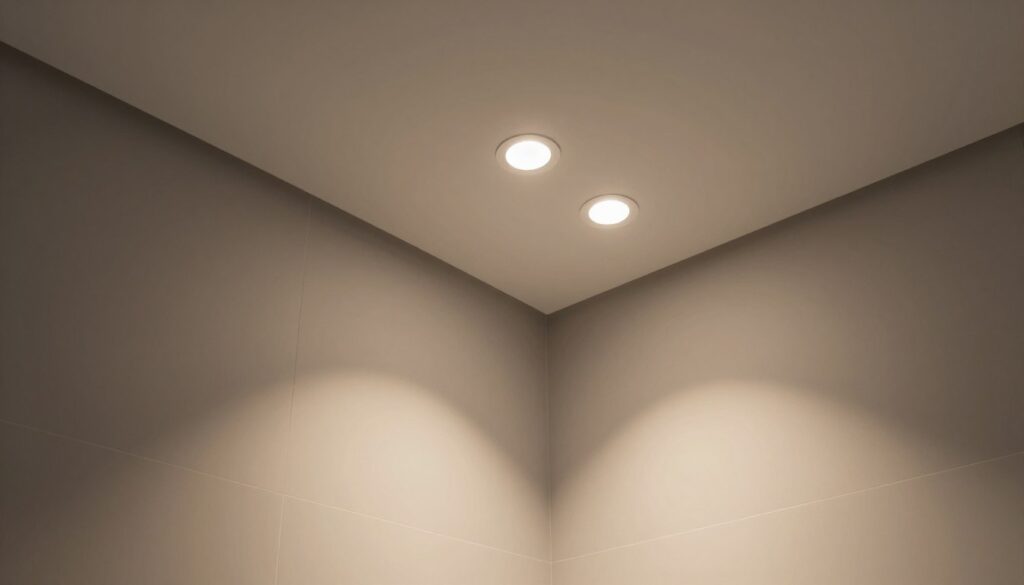

Stepping into a dark bathroom at night doesn’t have to be a challenging experience anymore. Bathroom sensor lights have revolutionized how people navigate their homes after dark. These intelligent lighting solutions detect motion and automatically illuminate your space.
This technology offers convenience that transforms daily routines. No more fumbling for switches in the darkness. The system responds instantly when you enter the room.
Whether you’re upgrading your current bathroom or planning a renovation, understanding sensor lighting options helps you make informed decisions. This guide covers everything from basic functionality to advanced installation techniques.
What Are Bathroom Sensor Lights?
Bathroom sensor lights are automated fixtures that use motion detection technology. The system activates when someone enters the room. A sensor detects movement within its range and triggers the light source.
These devices eliminate the need for manual switch operation. The technology works through infrared sensors or microwave detection systems. Each type responds to heat signatures or movement patterns differently.
The lights turn off automatically after a preset period of inactivity. This feature ensures energy efficiency throughout your home. Most systems allow you to adjust sensitivity and timer settings.

Did you know? Motion sensor lights can reduce bathroom energy consumption by up to 30% compared to traditional switch-operated fixtures. The automatic shutoff prevents lights from being left on unnecessarily.

How Motion Detection Works
Motion sensors operate through two primary technologies. Passive infrared sensors detect heat changes when warm bodies move through the detection zone. Active sensors emit microwave signals that bounce back when interrupted by movement.
The sensor sends a signal to the lighting system once motion is detected. This process happens within milliseconds. Advanced models can distinguish between different types of movement patterns.

Key Components
- Detection sensor (infrared or microwave technology)
- Control circuit that processes sensor signals
- LED light source providing illumination
- Timer mechanism controlling auto-shutoff duration
- Sensitivity adjustment for detection range customization
- Power source (battery, rechargeable, or hardwired system)
Benefits of Bathroom Sensor Lights

Installing sensor lights in your bathroom creates numerous advantages. These systems improve daily life through practical automation. The technology addresses common household challenges effectively.
Enhanced Safety and Convenience
Navigating your bathroom at night becomes significantly safer. The light activates instantly when you enter. This prevents trips and falls in darkness.
People with mobility challenges benefit greatly from this technology. There’s no need to reach for wall switches. The system works independently of manual operation.

Advantages
- Hands-free operation for hygiene
- Reduced accident risk at night
- Perfect for guests and children
- No fumbling for switches in darkness
- Instant illumination upon entry
Energy Efficiency and Cost Savings
Sensor lights reduce electricity waste substantially. The automatic shutoff prevents lights from running unnecessarily. This feature cuts power consumption throughout your house.
LED technology combined with motion sensors maximizes efficiency. These systems use minimal power during operation. The long lifespan of LED bulbs reduces replacement costs.

Energy Savings: A typical bathroom sensor light uses approximately 5-10 watts compared to 60 watts for traditional incandescent bulbs. Over one year, this difference can save $15-25 per fixture on your electricity bill.

Ceiling Sensor Lights
Complete overhead illumination with wide detection range. Ideal for primary bathroom lighting needs. Easy installation in existing ceiling fixtures.

Wall-Mounted Sensors
Focused illumination for specific areas. Perfect for accent lighting near mirrors and vanities. Multiple brightness levels available for customization.

Night Light Sensors
Gentle ambient lighting for nighttime navigation. Battery-powered or rechargeable options available. Low-level brightness prevents sleep disruption.
Types of Bathroom Sensor Lights

The market offers diverse sensor light solutions for bathrooms. Each type serves specific lighting needs and space requirements. Understanding these options helps you select the right products for your home.
Ceiling-Mounted Motion Sensor Lights
These fixtures replace traditional ceiling lights completely. They provide comprehensive room illumination through motion detection. The system works as your primary bathroom light source.
Installation typically requires connection to existing electrical wiring. Professional installation ensures proper functionality and safety. Some models offer adjustable detection sensitivity for optimal performance.
The coverage area extends throughout the entire bathroom space. These fixtures work well in rooms of any size. Brightness levels can often be adjusted to suit preferences.

Wall-Mounted Sensor Fixtures
Wall fixtures provide targeted lighting for specific areas. These units excel at illuminating vanity spaces and mirror zones. The focused beam helps with grooming tasks effectively.

Many wall-mounted options feature adjustable heads. This allows you to direct light exactly where needed. The installation process varies from simple battery-powered units to hardwired systems.
Night Light Sensors
Compact night lights offer subtle illumination for darkness. These battery-operated devices require no installation work. Simply place them in strategic locations around your bathroom.

Rechargeable battery systems eliminate ongoing costs. USB charging makes maintenance simple and convenient.

Plug-in models utilize existing electrical outlets. These options never require battery replacement or recharging.

Adhesive-mounted strips stick to any surface. Perfect for under-cabinet lighting in bathroom spaces.
Smart Sensor Light Systems
Advanced technology integrates with home automation systems. These products connect to your smartphone for remote control. Programming options include scheduling and brightness adjustment.

Voice control compatibility works with popular smart home assistants. Integration with other smart devices creates comprehensive automation. The system learns your patterns over time for better efficiency.
Choosing the Right Bathroom Sensor Light

Selecting appropriate sensor lighting requires careful consideration. Multiple factors influence which products work best for your bathroom. This decision affects both functionality and satisfaction.
Room Size and Layout Considerations
Bathroom dimensions directly impact sensor light selection. Larger spaces need more powerful fixtures with wider detection ranges. Small bathrooms work well with compact sensor systems.
The sensor placement affects coverage quality significantly. Corner installations may miss certain areas of the room. Central ceiling mounting provides optimal detection throughout the space.
Consider obstacles that might block sensor signals. Shower curtains and door positions impact motion detection. Test different locations before permanent installation when possible.
- Measure your bathroom square footage accurately
- Identify potential sensor mounting locations
- Check manufacturer detection range specifications
- Account for ceiling height in coverage calculations
- Consider multiple sensors for larger bathrooms

Brightness and Color Temperature
Light output affects bathroom usability at different times. Bright white light works well for morning routines. Warmer, dimmer settings suit nighttime visits better.

Color temperature is measured in Kelvin units. Cooler temperatures (4000-5000K) provide energizing light. Warmer settings (2700-3000K) create relaxing ambiance.
| Color Temperature | Kelvin Range | Best Use | Light Quality |
| Warm White | 2700-3000K | Night lighting, relaxation | Soft, yellowish glow |
| Neutral White | 3500-4000K | General bathroom use | Balanced, natural light |
| Cool White | 4500-5000K | Task lighting, grooming | Bright, bluish-white |
| Daylight | 5500-6500K | Makeup application | Very bright, blue-tinted |
Power Source Options
Different power sources offer varying advantages. Hardwired systems provide consistent power without maintenance. Battery-operated units offer installation flexibility but require replacement.
Hardwired Systems

Connected to home electrical system for unlimited power. Requires professional installation but needs no battery changes.
Battery-Powered

Simple installation with no wiring needed. Perfect for renters and temporary solutions. Battery life varies by usage.
Rechargeable Units

USB charging eliminates battery purchases. Environmentally friendly with lower long-term costs. Requires periodic recharging.
Installation Tips for Bathroom Sensor Lights

Proper installation ensures optimal sensor light performance. The process varies depending on the fixture type and power source. Following best practices prevents common problems.
Planning Your Installation
Start by identifying the ideal mounting location. The sensor needs an unobstructed view of the entire room. Avoid placing sensors behind doors or other barriers.
Consider the detection angle when selecting positions. Most sensors offer 90 to 180-degree coverage. Central locations provide the most comprehensive detection.
Test the sensor before permanent installation. Battery-powered units allow temporary positioning trials. This ensures proper coverage before committing to final placement.
Safety First: Always turn off power at the circuit breaker before working with hardwired fixtures. Use a voltage tester to confirm power is off. If you’re uncomfortable with electrical work, hire a licensed electrician.
Step-by-Step Installation Process
- Select optimal mounting location
- Clean surface thoroughly before attachment
- Install batteries in the device
- Attach mounting bracket or adhesive
- Secure light to mounting system
- Test sensor detection range
- Adjust sensitivity settings as needed
Battery-Powered Installation
- Turn off power at circuit breaker
- Remove existing light fixture carefully
- Connect wiring per manufacturer instructions
- Secure mounting bracket to ceiling
- Attach sensor light to bracket
- Restore power and test functionality
- Program timer and sensitivity settings
Hardwired Installation
- Install physical fixture first
- Download manufacturer mobile app
- Connect device to home WiFi network
- Follow app pairing instructions
- Configure automation settings
- Integrate with smart home system
- Test voice control functionality
Smart System Setup

Optimizing Sensor Settings
Most sensor lights offer adjustable parameters. Sensitivity controls how easily motion triggers activation. Higher sensitivity detects smaller movements from farther distances.

Timer settings determine how long lights remain on after detecting motion. Bathroom visits typically last 5-15 minutes. Set timers accordingly to prevent premature shutoff.
Some advanced models offer ambient light sensors. These prevent daytime activation when natural light provides sufficient illumination. This feature further enhances energy efficiency.
Pro Tip: Set your sensor timer 30 seconds longer than you think necessary. This prevents the frustrating experience of lights turning off while you’re still using the bathroom. You can always shorten it later if needed.
Download Your Free Installation Guide
Get our comprehensive PDF guide with detailed installation instructions, wiring diagrams, and troubleshooting tips for all sensor light types.
Maintenance and Care for Bathroom Sensor Lights

Regular maintenance extends the life of your sensor lighting system. Simple care routines prevent performance issues. These tasks require minimal time and effort.
Cleaning and Upkeep
Dust accumulation affects sensor performance over time. The detection lens requires periodic cleaning for optimal function. Use a soft, dry cloth to wipe the sensor surface gently.
Bathroom humidity can leave residue on fixtures. Clean the entire light housing monthly with a damp cloth. Avoid harsh chemicals that might damage plastic components.
Check mounting security during cleaning sessions. Vibrations and humidity may loosen adhesive or screws gradually. Tighten any loose connections to prevent fixture failure.
- Wipe sensor lens weekly with microfiber cloth
- Clean entire fixture monthly to remove grime
- Inspect mounting hardware for tightness
- Check battery levels in wireless units quarterly
- Test sensor responsiveness regularly

Troubleshooting Common Issues
Sensor lights occasionally develop operational problems. Understanding common issues helps resolve them quickly. Most problems have simple solutions requiring no professional help.

Why doesn’t my sensor light turn on?
First check the power source. Replace batteries or verify electrical connections. Clean the sensor lens, as dirt blocks detection. Adjust sensitivity settings if the sensor isn’t detecting motion.
Why does the light turn off too quickly?
Increase the timer duration in your sensor settings. Most units allow timer adjustment from 30 seconds to 10 minutes. Bathroom use typically requires 5-10 minute settings for comfortable operation.
What causes false activations?
Reduce sensor sensitivity if lights activate unnecessarily. Heat sources like vents may trigger infrared sensors. Reposition the sensor away from heating outlets or adjust detection angle.
How long do LED sensor lights last?
Quality LED sensor lights typically last 25,000-50,000 hours of operation. With average bathroom use, this translates to 10-20 years. The sensor components usually outlast the LED technology itself.
Battery Replacement and Power Management
Battery-powered units require periodic replacement. Most systems use standard AA or AAA batteries. Rechargeable battery technology offers a more sustainable option.

Standard Batteries: Alkaline batteries typically last 6-12 months with regular use. Keep spare batteries available for quick replacement.

Rechargeable Systems: Charge units every 2-3 months depending on usage. USB charging makes the process simple and convenient.

Hardwired Options: No battery maintenance required. These systems draw power directly from home electrical circuits continuously.
When to Replace Your Sensor Light
Even quality sensor lights eventually need replacement. Diminished brightness indicates LED deterioration. Erratic sensor behavior suggests component wear.

Technology improvements make upgrading worthwhile periodically. Newer models offer better energy efficiency and enhanced features. Smart home integration capabilities continue advancing rapidly.
Ready to Upgrade Your Bathroom Lighting?
Transform your bathroom with intelligent sensor lighting technology. Our experts are ready to help you choose the perfect solution for your home. Get personalized recommendations based on your specific needs and space.
Still have questions? Our lighting experts are available Monday through Friday, 8 AM to 6 PM EST. We provide free consultations, installation guidance, and lifetime support for all products purchased.
Creating Your Perfect Bathroom Lighting Experience

Bathroom sensor lights represent a practical investment in home comfort and safety. The technology eliminates daily inconveniences while reducing energy consumption. These systems adapt to your lifestyle automatically.
Selecting the right sensor light depends on your specific bathroom characteristics. Room size, layout, and usage patterns all influence the optimal choice. Consider both immediate needs and long-term functionality.
Installation ranges from simple adhesive mounting to professional electrical work. Most homeowners can install battery-powered units independently. Hardwired systems deliver superior performance when installed correctly.
Regular maintenance keeps your sensor lighting system performing optimally. Simple cleaning and occasional battery replacement ensure years of reliable service. Quality products continue functioning effectively for decades.
The bathroom lighting market continues evolving with advancing technology. Smart home integration and improved energy efficiency make modern sensors increasingly attractive. Upgrading your bathroom illumination enhances both safety and convenience throughout your house.